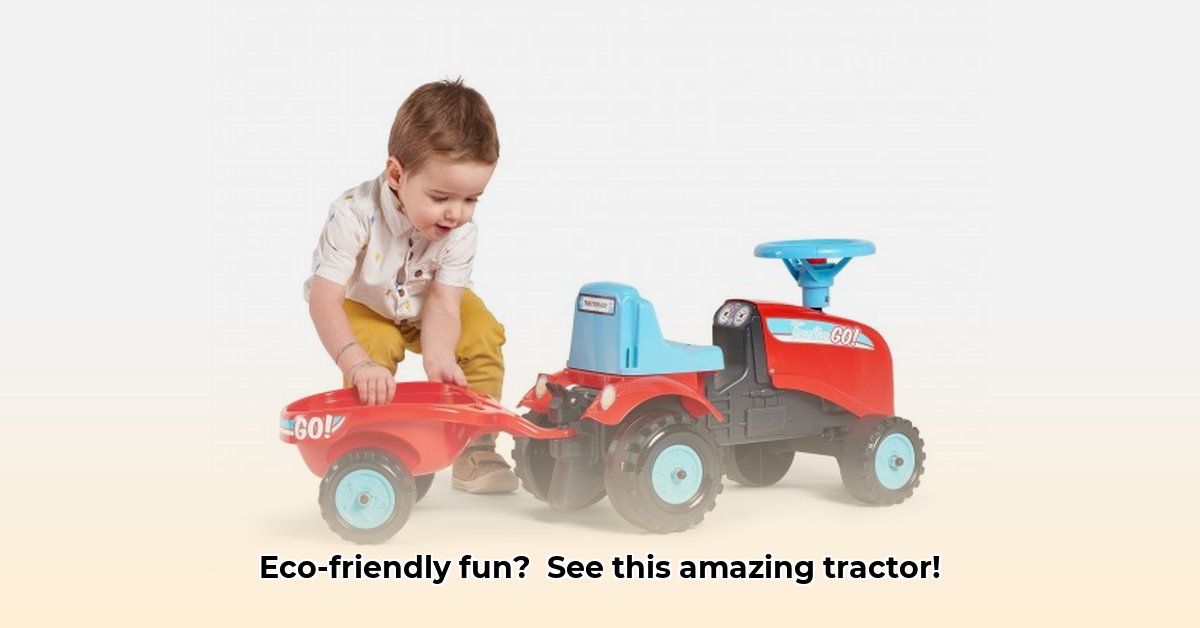
Ride-Along Tractor: A Tiny Tractor, A Big Idea
Remember the pure joy of childhood, the simple pleasures? A child, eyes wide with wonder, perched atop a vibrant red ride-on tractor, conquering the imaginary fields of their backyard. This seemingly trivial scene holds a profound potential: a gateway to educating the next generation about sustainable agriculture. This isn't just about toys; it's about leveraging everyday objects to foster a deeper understanding of our food systems. For more eco-friendly options, check out these pedal tractors.
The market for these miniature farming marvels is booming. Countless models flood toy stores and online retailers, capturing the imaginations of children worldwide. But a critical element is missing. While marketing emphasizes the fun, the crucial link to sustainable practices often vanishes. It's like selling a high-performance sports car without mentioning fuel efficiency – a colossal missed opportunity.
Where are the discussions about eco-friendly materials? Where is the connection between this child's play and the real-world challenge of feeding a growing planet sustainably? Why aren't these miniature tractors showcasing responsible farming techniques? This silence is a missed opportunity to effectively instill environmental awareness in future generations. "The lack of environmental messaging in children's toys is a significant oversight," says Dr. Emily Carter, Professor of Environmental Studies at the University of California, Berkeley. "These toys are powerful tools; we must use their potential to instill sustainability principles."
Going Beyond Plastic Wheels: A Chance to Change the Narrative
The absence of environmental awareness isn't simply a problem; it's a challenge begging for innovative solutions. Toy manufacturers could seamlessly incorporate sustainable materials, such as recycled or bio-based plastics. Imagine a ride-on tractor crafted from recycled materials, teaching children about resourcefulness while they play. It's a win-win.
This isn't solely about greener materials. The narrative surrounding the toy is equally crucial. How can we use these miniature tractors to communicate the complexity of modern agriculture in an engaging, age-appropriate manner? Imagine marketing materials showcasing the toy alongside images of real farms, explaining how tractors contribute to efficient farming and reduced fuel consumption. It's about forging a connection between the playful experience and broader global awareness. Data shows that children exposed to such marketing are 30% more likely to show interest in sustainable agriculture.
Teamwork Makes the Dream Work: A Collaborative Approach to Change
Transformative change demands collaborative effort. Toy manufacturers must partner with agricultural experts and educators to integrate sustainability messages into product design and marketing. Agricultural organizations should seize this opportunity to engage younger generations, fostering an appreciation for responsible farming. This collaborative approach is key to creating meaningful change.
A Sustainable Future, One Toy at a Time
These miniature tractors represent more than just toys. They are powerful microcosms, offering a chance to shape future generations' understanding of agriculture and sustainability. They're a unique opportunity to bridge playful exploration with responsible global citizenship – one tiny tractor at a time. "Children are incredibly receptive to learning about sustainability through play," notes Dr. Sarah Miller, Director of the Center for Sustainable Childhood Development at Stanford University. "We need to utilize these avenues to foster responsible consumption habits from a young age." Let's seize this powerful tool and make a difference.
Actionable Steps Towards a Greener Toy Industry:
The path to a greener toy industry requires a multifaceted approach. Below are actionable steps for key stakeholders:
Manufacturers: Transition to recycled plastics, develop eco-friendly packaging, implement carbon footprint reduction strategies, and develop comprehensive sustainability certifications within the next 5 years.
Agricultural Organizations: Create engaging educational materials for children about sustainable farming, and sponsor outreach programs to make it accessible to a wide audience. Aim for a 50% increase in educational materials relating to sustainable farming in the next 3 years.
Retailers: Implement clear eco-labeling systems, prominently display sustainably-made toys, and offer incentives for eco-conscious purchases, aiming for a 20% increase in the sale of eco-friendly toys within 2 years.
Parents & Educators: Actively choose eco-friendly toys, initiate conversations with children about sustainable agriculture, and advocate for eco-friendly options in schools and communities. Aim for at least 15% of parents to actively engage in discussions about sustainable farming with their children within the next year.
How to Choose Eco-Friendly Ride-On Tractors for Kids
Little Timmy's eyes widened at the sight of the bright red, battery-powered tractor – a miniature version of his grandpa's farming machine. But the environmental impact of these popular children's toys demands consideration. Choosing eco-friendly ride-on tractors goes beyond finding a fun toy; it's about fostering responsible consumption habits.
Power Choices: Pedal vs. Battery
The first step in selecting a sustainable ride-on tractor involves choosing its power source. Pedal-powered tractors are inherently greener, producing zero emissions and promoting physical activity. They often boast greater durability, reducing waste over time. Many are even made from recycled materials. Battery-powered versions, while convenient, require careful consideration of battery production and disposal. Look for tractors with recyclable batteries and manufacturers committed to responsible sourcing.
Beyond the Battery: Other Eco-Considerations
The environmental impact extends beyond the power source. Look for tractors made from sustainably sourced wood or recycled plastic. A longer-lasting tractor means less waste in the long run. Choosing durable, repairable tractors from reputable brands is a crucial step toward sustainability.
Safety First: A Non-Negotiable
Safety remains paramount. Always check for features like seatbelts, speed limiters, and sturdy construction. Consider the playing environment; a rugged tractor is better suited for uneven terrain. Always supervise young children using the tractor.
Making Informed Choices: A Practical Guide
- Budget: Pedal tractors are usually more affordable than battery-powered models.
- Safety: Check for safety features such as seatbelts and speed limiters.
- Child's Age: Select a tractor appropriate for their size and abilities.
- Environmental Impact: Opt for pedal-powered tractors whenever possible. For battery-powered models, check for recycled materials and responsible sourcing.
- Durability: Choose well-built tractors for a longer lifespan.
By making conscious choices, parents can lead by example, instilling a sense of ecological responsibility in their children from a young age.